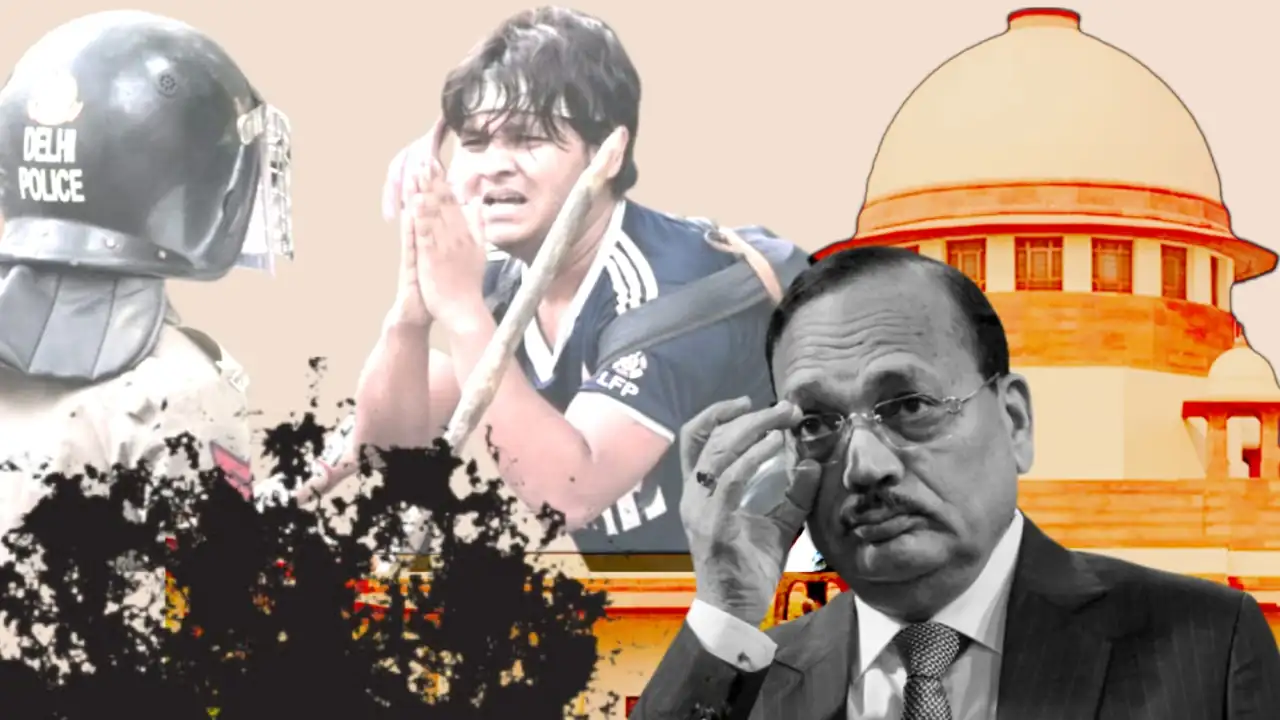
In a move that has drawn sharp criticism, the Supreme Court refused urgent listing of a petition highlighting alleged police atrocities during the Cockroach Janta Party’s (CJP) “Sansad Chalo” march. The protest, far from being a fringe event, centers on deep systemic failures in India’s education sector, repeated paper leaks in NEET UG 2026 and other exams, mismanagement by the National Testing Agency (NTA), and demands for accountability from the Union Education Ministry, including the resignation of Minister Dharmendra Pradhan.
Thousands of students and youth converged in Delhi, channeling widespread frustration over broken promises in one of the most critical aspects of national development: access to fair, merit-based education. Decades of policy shortcomings under successive governments have culminated in this youth-led movement, which gained momentum as a direct response to repeated examination scandals that derail futures and erode public trust.
When the lawyer mentioned videos showing police excesses, Chief Justice of India Surya Kant reportedly responded dismissively.
“Don’t waste our time, and don’t waste your time… We are not interested in videos; we don’t have time to watch.”
— Chief Justice of India Surya Kant
This stance has been widely criticized as unjustified, especially coming from the same Chief Justice who earlier referred to certain activists as “like cockroaches” and “parasites” attacking the system. He later justified those remarks as targeting individuals with fake degrees, not the broader youth. Critics argue this pattern reflects a lack of accountability and sensitivity toward genuine grievances, particularly when the judiciary is expected to uphold constitutional rights to peaceful protest and expression. Dismissing visual evidence outright raises serious concerns about judicial openness to facts on the ground in an era where digital documentation is key to transparency.
Brutal Suppression and Protesters’ Accounts
Despite claims of a peaceful march, reports and eyewitness testimonies describe heavy deployment of Delhi Police and Rapid Action Force (RAF), leading to lathi charges, tear gas, and injuries. Protesters allege disproportionate force against students demanding answers on education failures, not disruption for its own sake.
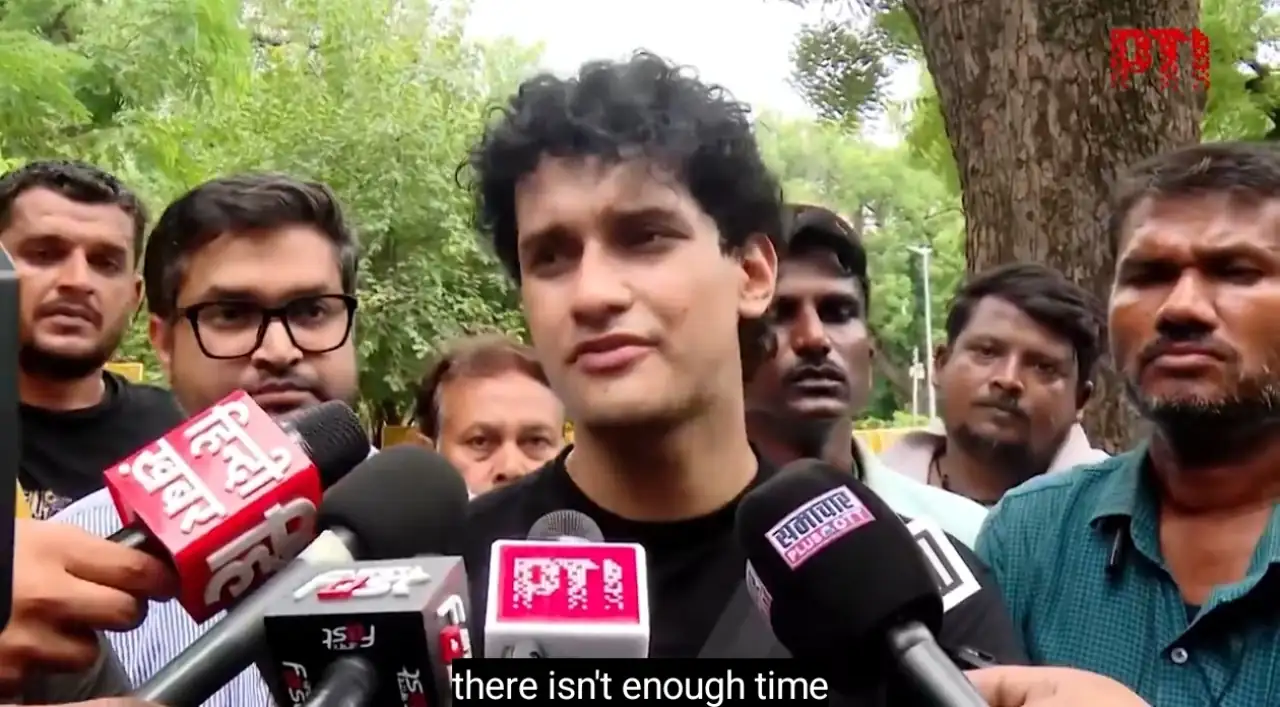
One injured protester, Balraj, shared his experience:
“I was just standing on the footpath when a group of police officers began assaulting me. I somehow managed to escape. However, I did not abandon the protest. Not even an hour later, another group of police officers set upon me and struck me repeatedly with batons… Is this what I receive for asking questions? For exercising my right to express myself?”
Another account from the ground detailed severe treatment:
“We were only protesting peacefully. Suddenly the police started beating us. My hand has been fractured and I have injuries on my back and leg as well… We did not lie to our families and come here to be picked up and detained like criminals.”
Students emphasized the protest’s core issue, systemic collapse in education governance. Many highlighted how repeated leaks have destroyed aspirations, pushing youth to streets after exhausting institutional avenues. Allegations include male officers manhandling women protesters and use of excessive force even on those not at the forefront.
The movement underscores a larger failure: despite multiple paper leaks and irregularities, meaningful reforms and accountability from the Education Ministry remain elusive. Youth argue they are demanding what any responsible democracy should provide — transparent systems and justice for the affected.
Questions of Judicial and Executive Accountability
The CJI’s remarks, in the context of his prior controversial observations, fuel perceptions of institutional reluctance to address state excesses against citizens exercising democratic rights. While courts rightly prioritize efficiency, rejecting video evidence in cases of alleged brutality risks shielding accountability and weakening public faith in the rule of law.
Peaceful protest is a fundamental right, balanced against public order. However, when education — the bedrock of opportunity — fails en masse, and peaceful demands are met with force rather than dialogue, it signals deeper governance issues. The CJP movement, born from policy failures rather than political opportunism, deserves substantive engagement, not dismissal.
As videos circulate and injured students continue highlighting their ordeal, calls grow for independent inquiry into the police action and urgent judicial intervention on the education crisis. The Supreme Court’s decision to not treat this as urgent may defer hearings, but the voices of India’s youth demanding accountability will not fade easily. The nation watches whether institutions will rise to protect both order and justice.